#WhoMadeMyCotton
A study in radical transparency, tracing the denim supply chain from farm to retailer.
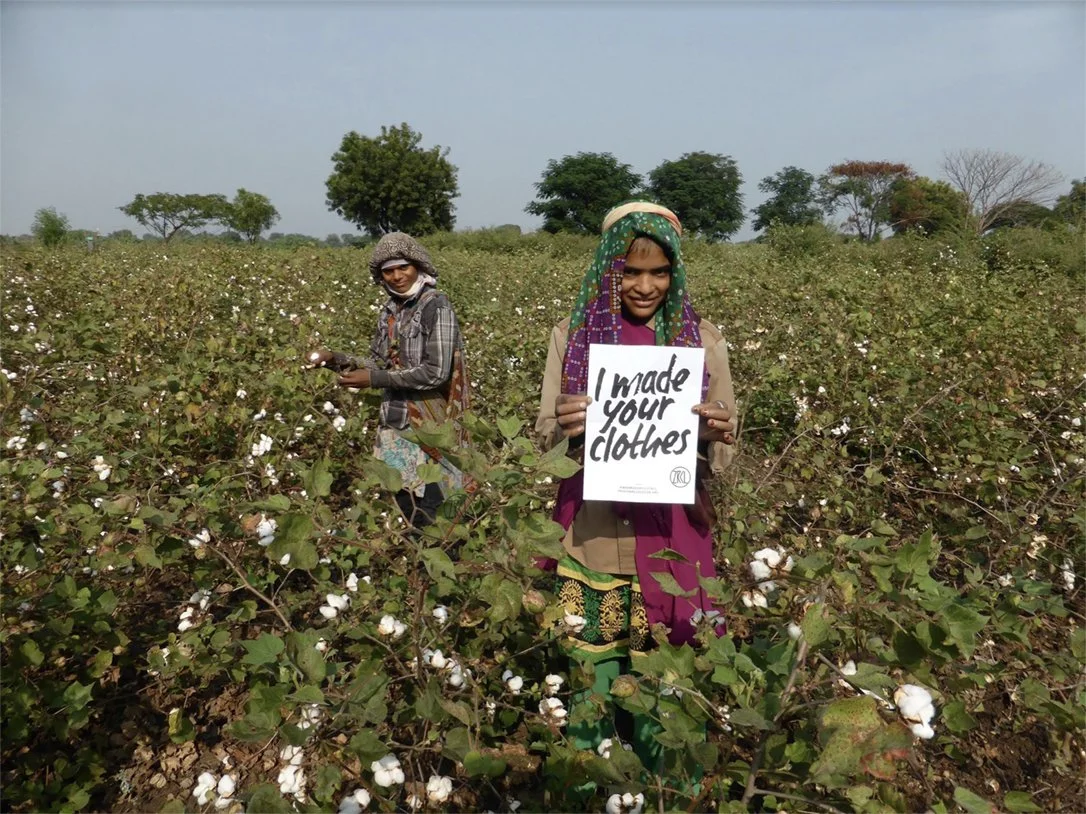
As designers, brands, and retailers, when we trace our supply chains back, we hit a wall: we can't answer #WhoMadeMyCotton. Too often we're left with just a country or region of origin, with no real understanding of who was involved in growing or ginning that cotton.
Since 2021, with the support of Cotton Diaries, Ani Wells and Anne Oudard have conducted an in-depth qualitative study working down the denim supply chain, mapping the roadblocks to radical transparency at every tier: brand and retailer, mill, spinner, ginner, merchant, and farmer.
#WhoMadeMyCotton
Tracing the thread, tier by tier
Tap a tier to read its report — the thread is still unstitched past the trader, which is exactly the wall this study is trying to close.
Brands & Retailers
27 interviewsMills, Spinners & Weavers
12 interviewsCotton Traders
6 perspectivesGinners
part of the wallFarmers & Cotton Pickers
launching september
-
27 denim professionals from brands and retailers share the roadblocks they face tracing cotton back to the farm.
-
12 denim professionals at mills and spinners reveal the gap between farming reality and denim industry practice. Across Steps 1 and 2, a pattern emerged: traceability becomes harder to follow at the yarn spinner and raw material tiers, largely because spinners source their cotton through traders.
-
Step 3 goes inside the world of cotton trading, drawing on conversations with traders from three major trading houses, an independent broker, an organic cotton merchant, and a board member of the International Cotton Association. Together, their perspectives reveal how cotton trading really works — from the moment a spinner requests supply, to where the industry may be headed next.
-
Coming soon in September…